Whirlybirds & Guttering in Bundaberg
Kaplan Roofing delivers safe, efficient commercial and residential roofing across Bundaberg, specialising in metal roofing, guttering, repairs and asbestos roof removal.
10+
Years Established
QBCC
Licensed Contractor
70 km
Service Radius
Commercial
Project Focus
Industrial
Materials Expertise
Height Safety
Equipped
Asbestos
Removal Certified
Smarter Ventilation & Drainage
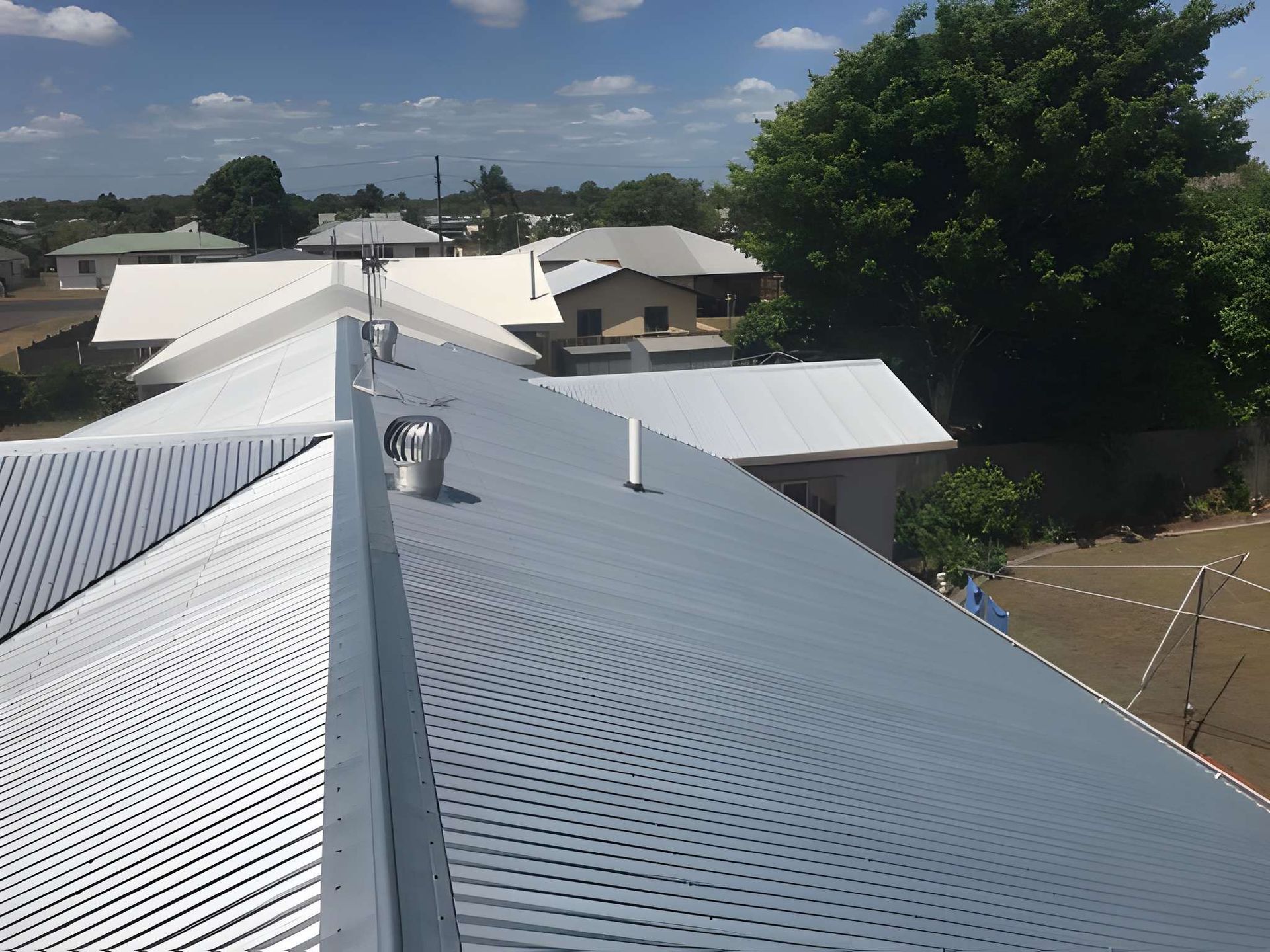
Poor airflow and ineffective drainage can quietly cause major roofing problems. Kaplan Roofing installs guttering and whirlybird systems across Bundaberg to help buildings manage heat, moisture and rainwater more effectively.
Whirlybirds improve roof ventilation by releasing trapped hot air, reducing heat build-up and condensation inside roof spaces. Quality guttering plays an equally important role, directing water away from the roofline, fascia and foundations to prevent overflow, rust and long-term damage.
These systems are especially important on commercial buildings with large roof areas, where heat and water issues can quickly escalate if not managed correctly. Small upgrades can make a noticeable difference to roof performance.
To arrange an inspection or discuss the right setup for your building, call 0404 171 396 today.
Frequently Asked Questions
What do whirlybirds do on a roof?
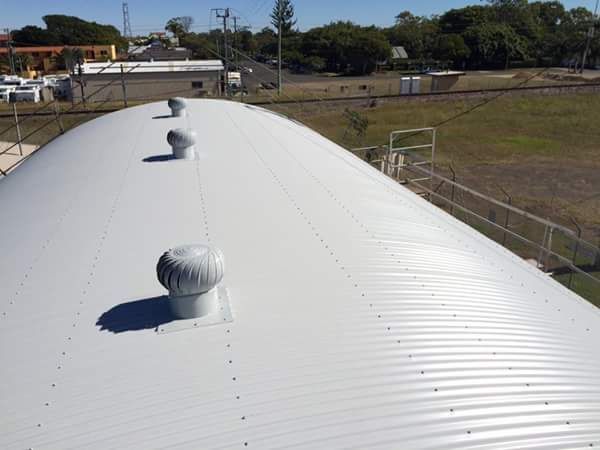
Whirlybirds help ventilate roof spaces by releasing trapped hot air and moisture. Improved airflow reduces heat build-up, condensation and humidity inside roof cavities. This supports better indoor comfort, helps protect roofing materials and can reduce moisture-related issues such as mould and timber deterioration.
Where should whirlybirds be placed on a roof?
Whirlybirds work best near the roof ridge where hot air collects. Placement should account for roof shape, internal airflow paths and obstructions like skylights. Balanced ventilation often needs more than one unit so air can enter and exit. Correct spacing helps reduce stagnant pockets and significantly improves overall roof-cavity ventilation.
What causes gutters to overflow in heavy rain?
Gutter overflow usually happens during storms when downpipes cannot drain fast enough, gutters are undersized, or debris blocks water flow. Heavy rainfall can expose poor fall, sagging sections and leaking joints. Overflow can wet fascia and walls, and may pool near footings. Regular clearing and proper drainage design reduce risks.
Get In Touch
Thank you for contacting Kaplan Roofing.
We will get back to you as soon as possible.
Oops, there was an error sending your message.
Please try again later.
Complete Systems That Work Together
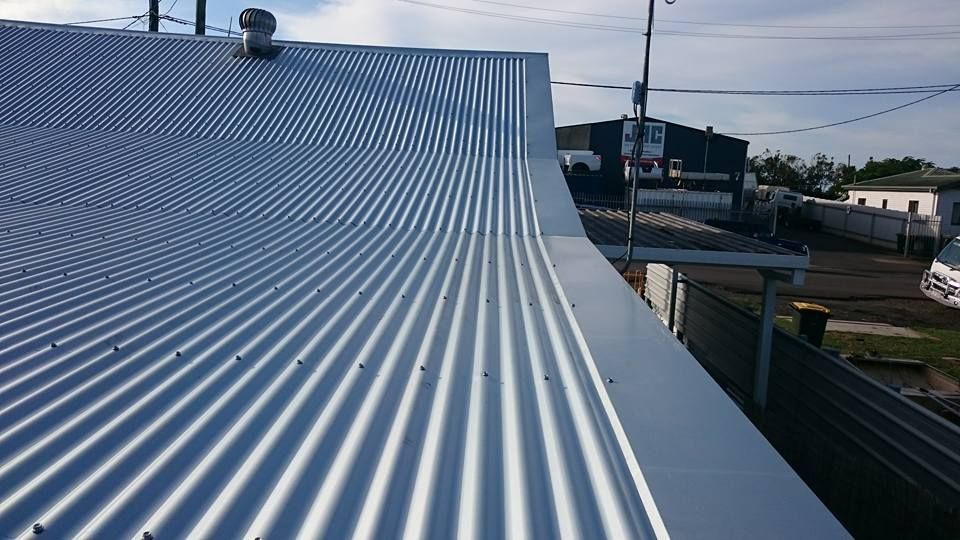
Whirlybirds and guttering work best when they are designed as part of the overall roofing system. Installations begin with an assessment of roof size, pitch and usage to determine correct placement and capacity.
Guttering is installed to suit local weather conditions, roof runoff volumes and building layout, while fascia is checked to ensure secure fixing and clean finishes. Whirlybirds are positioned to maximise airflow without compromising weather protection.
Safety systems for working at heights are used throughout installation, allowing work to be completed efficiently and correctly.
By improving ventilation and water management, these systems help protect roofing materials, support internal comfort and reduce ongoing maintenance issues. When installed properly, whirlybirds and guttering provide long-term benefits that support the health and performance of the entire building.